Seven Sisters Cliffs
Location details
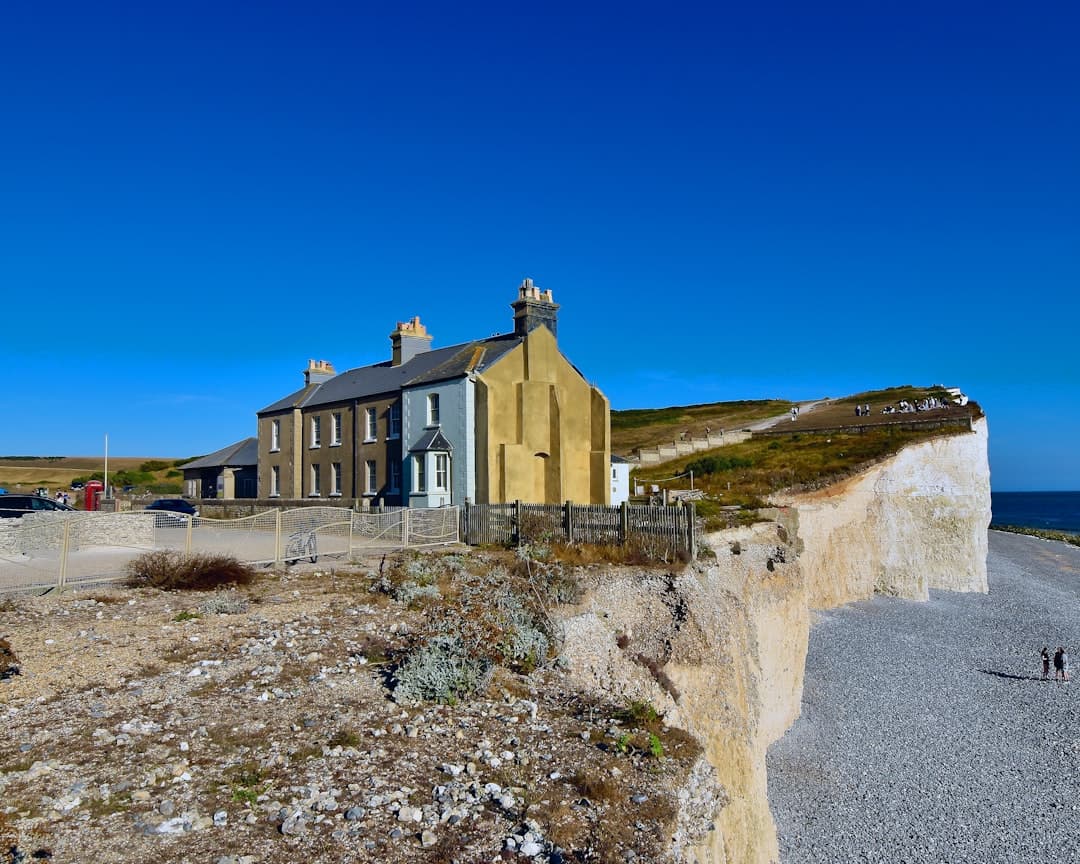
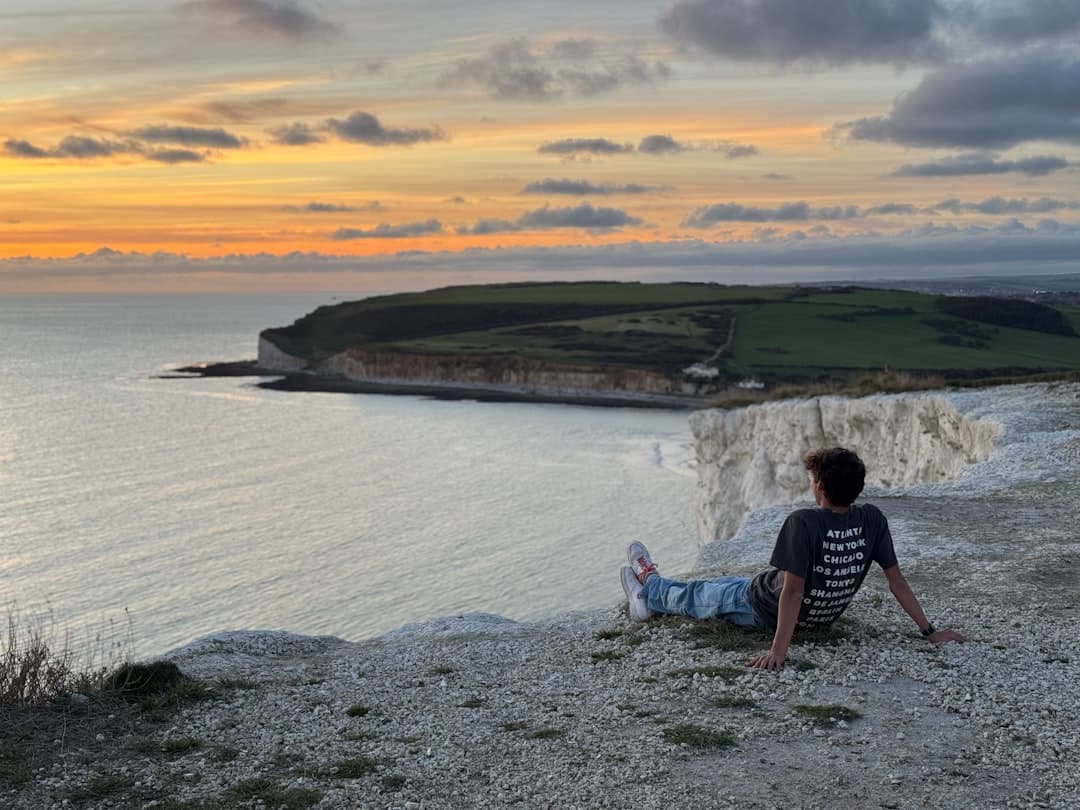
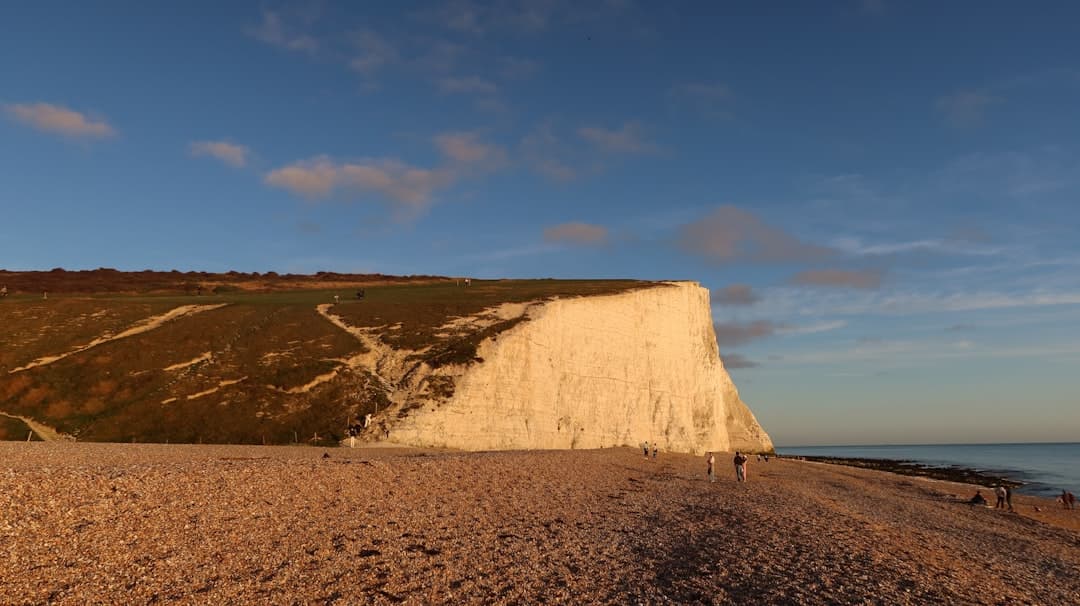
A series of chalk sea cliffs along the English Channel stretching between Cuckmere Haven and Birling Gap — actually eight peaks, with an eighth forming through ongoing coastal erosion. The classic composition from Seaford Head looking east captures the undulating rhythm of all peaks, the Coastguard Cottages in the foreground, and the meandering Cuckmere River. Unlike the White Cliffs of Dover, the Seven Sisters are free of modern development, making them the preferred stand-in for unspoilt English coastline in period dramas and fantasy. The chalk faces are south/southwest-facing, catching light beautifully in late afternoon and golden hour. Spring (April-June) is most photogenic with wildflowers. Extremely exposed — expect strong coastal winds, sturdy tripod essential. Check tide charts for beach-level shots. From South Hill Barn free car park (BN25 4JQ), approximately 20 minutes walk to the viewpoint. Declared England's newest National Nature Reserve in February 2026.
Filming here
Who to ask and what it costs
The rules, the fee and who to contact, as we understand them.
Free forever, no card needed.
As we understand it. Rules change, so check with the owner or council before you shoot.
Light and weather
Plan around the light
Golden hour, where the sun is and the 5 day forecast for this exact spot.
Free forever, no card needed.
Scout's notes
Scout's notes are for members
Where to stand, when it's quiet and how to get in, from people who've been.
Free forever, no card needed.
Features
Suits these genres
Good for
Featured in
Planning a shoot here?
Free forever, no card needed. A free account gets you everything you need for the recce.
- The exact pin, full address, directions and what3words
- Golden hour, light direction and weather
- Scout's notes on access and where to stand
- Who to ask for permission and what it costs
Exact location
See the exact spot
The pin, full address, directions and what3words.
Exact location
See the exact spot
The pin, full address, directions and what3words.
Filming rules on Wherish are as we understand them, from what we and other filmmakers have found. They can change, so always check with the landowner or local council before you shoot.
Always leave the location as you found it.
Reviews
From people who shot here.
Nearby locations

Tate Modern Turbine Hall
The vast former turbine room of Bankside Power Station, now Tate Modern's main entrance and exhibition space. At approximately 3,400 square metres and 35 metres high, it is one of the largest enclosed public spaces in Britain. The architecture is raw industrial — exposed steel beams overhead, polished concrete flooring, and massive scale that dwarfs human figures. Enter via a long concrete ramp from the west (river side) or level entrance from Sumner Street. Natural light enters from high-level windows along the roofline and the glazed north-facing entrance. The sheer scale creates dramatic compositions with strong leading lines from the ramp and overhead bridge. Best in mornings when north-facing windows provide soft, even illumination. The space is frequently reconfigured for annual Hyundai Commission installations, so the visual character changes yearly. No columns obstruct sightlines across the main floor. The overhead bridge at Level 1 provides an elevated vantage point.

Battersea Power Station
One of the world's largest brick buildings, designed by Giles Gilbert Scott with four 103-metre chimneys that define the London skyline. The restored Art Deco interiors feature Italian marble in the Turbine Hall, original switchboards in Control Rooms A and B, and wrought-iron staircases. Malaysia Square at the base provides strong vertical compositions looking up at the chimneys. The riverside position gives morning side-light along Electric Boulevard and golden hour reflections off the Thames. The Chimney Lift (Lift 109) offers 360-degree views at 109m. Now a retail and cultural destination with its own Northern Line station. Commercial filming managed exclusively by Location Collective. Casual photography with handheld cameras permitted throughout public areas; tripods and professional equipment require written permission from the press office.

Pergola & Hill Garden
An Edwardian raised walkway on the northwest edge of Hampstead Heath, commissioned by Lord Leverhulme and designed by Thomas Mawson between 1905 and 1925. The Pergola stretches over 230 metres along a dramatically elevated terrace, supported by columns and arches overgrown with wisteria, climbing roses, and jasmine. Built on spoil from Northern Line tunnel excavations, the elevated position provides views west over West Heath woodland. The colonnaded structure creates repeating architectural frames superb for symmetrical compositions and depth-of-field work. In spring/summer the vine canopy filters sunlight into dappled patterns; winter reveals more stonework and distant views. Added to Historic England's Heritage at Risk Register in November 2025. Secluded and relatively unknown to tourists — easier to get clean shots than most London locations. Nearest stations: Hampstead or Golders Green, both 15 minutes walk.